How to Get Sweat Smell Out of Clothes: 10 Proven Methods
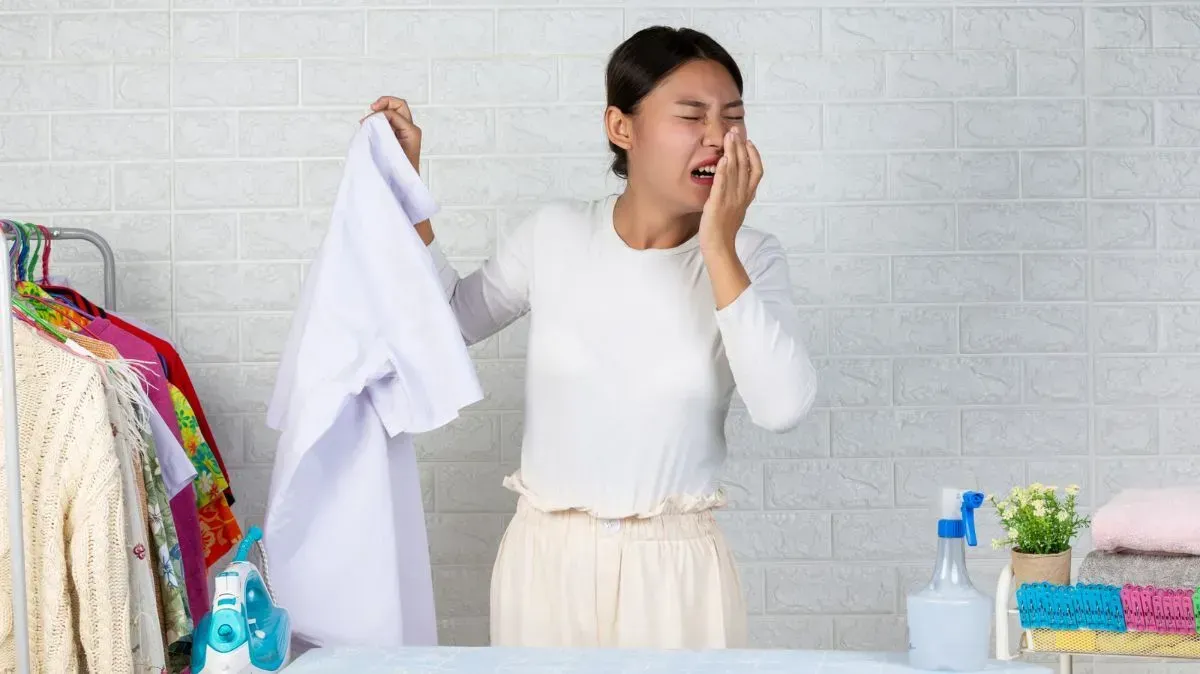
Sweat smell can be surprisingly difficult to remove from clothes, especially from workout shirts, polyester activewear, socks, uniforms, and shirts with stubborn underarm odor. Sometimes clothes can even smell fresh when they come out of the washer but develop a strong sweat odor again after drying or wearing them.
The good news is that you can usually remove sweat smell without throwing away the clothing. The key is to treat the odor-causing sweat, body oils, bacteria, and residue trapped in the fabric, rather than simply covering the smell with fragrance.
In this guide, you'll learn how to get sweat smell out of clothes using 10 practical laundry methods, what to do when clothes still smell after washing, and how to prevent sweat odor from coming back.
What Causes Sweat Smell in Clothes?
Sweat itself is largely made up of water and is not always responsible for the strong odor you notice. Body odor develops when substances in sweat interact with microorganisms on the skin. These odor-producing compounds can transfer to clothing and become trapped in its fibers.
Synthetic fabrics such as polyester and nylon can be especially challenging because they may retain body oils and odor compounds more readily than some natural fabrics. This is one reason workout clothing can continue to smell even after a normal wash.
Common causes of persistent sweat odor include:
Sweat and body oils trapped in fabric
Deodorant or antiperspirant buildup
Synthetic workout fabrics
Leaving sweaty clothes in a gym bag
Leaving damp clothes in a laundry hamper
Using too much detergent
Fabric-softener residue
Overloading the washing machine
Washing clothes incorrectly for their fabric
Putting clothes in the dryer while they still smell
Removing the smell effectively means addressing these sources instead of simply adding a stronger fragrance.
1. Wash Sweaty Clothes as Soon as Possible
One of the easiest ways to prevent sweat odor from becoming stubborn is to wash sweaty clothes promptly.
After a workout, don't leave a damp T-shirt, sports uniform, socks, or leggings compressed inside a gym bag or closed laundry basket for hours.
If you cannot wash the clothing immediately, hang it somewhere with good airflow and let it dry before placing it in your hamper.
What to do:
Take sweaty clothes out of your gym bag.
Turn them inside out.
Hang them somewhere ventilated.
Let them dry completely.
Wash them as soon as practical.
The longer damp, sweaty clothing sits without airflow, the greater the opportunity for unpleasant odors to develop. Laundry experts similarly recommend airing out sweaty garments when immediate washing isn't possible.
2. Turn Clothes Inside Out Before Washing
Sweat and body oils usually accumulate on the inside of clothing, particularly around the underarms, collar, back, and waistband.
Turning garments inside out before washing allows detergent and wash water to reach the areas where odor is concentrated.
This is especially helpful for:
T-shirts
Workout shirts
Sports uniforms
Sweatshirts
Underwear
Socks
Activewear
For a sweaty shirt, don't just throw it into the washer exactly as you took it off. Turning it inside out is a simple step that can improve access to the most affected areas.
3. Pretreat Stubborn Sweat Odor
If regular washing isn't removing the smell, pretreat the areas that smell the strongest before putting the garment through another wash cycle.
Focus on the:
Underarms
Collar
Chest
Back
Waistband
Cuffs
An enzyme-based laundry pretreatment can be useful for organic residues such as body oils and sweat. For suitable washable fabrics, baking soda can also be used as a separate pretreatment option. Enzyme cleaners are specifically designed to break down certain organic soils rather than simply masking odor.
Baking soda pretreatment
For an appropriate washable garment:
Mix baking soda with a small amount of water to make a paste.
Apply it to the smelly area.
Allow it to sit for about 30 minutes.
Rinse or wash according to the care label.
Check the garment before drying.
Always test a treatment on an inconspicuous area when you're unsure how the fabric will react.
4. Use the Right Laundry Detergent
The detergent you use can make a significant difference when dealing with persistent sweat odor.
For heavily used workout clothes or garments with recurring body odor, consider a detergent formulated for odor removal or one containing enzymes.
Enzyme-based detergents can help break down certain organic residues, including oils and other substances associated with sweat and body odor.
However, using more detergent is not the answer.
Too much detergent can leave residue on clothing and may make it harder to rinse away oils and odor-causing material.
Follow the detergent manufacturer's recommended amount for your load size and soil level.
5. Choose the Correct Water Temperature
Water temperature matters, but hotter water isn't automatically better.
The safest approach is to follow the garment's care label.
For some cotton clothing, warm water can help remove body oils and heavy soil. Some synthetic athletic fabrics, however, may have specific temperature recommendations designed to protect elasticity, color, and fabric performance.
A simple rule:
Use the warmest water temperature recommended by the clothing manufacturer.
Don't automatically wash every sweaty garment in hot water.
Using an inappropriate temperature can contribute to shrinking, fading, damage to elastic fibers, or reduced garment life.
6. Try a Distilled White Vinegar Soak
A diluted distilled white vinegar soak is another option for washable clothing with persistent odor.
One commonly recommended approach is a solution of approximately 1 part distilled white vinegar to 4 parts water. The garment can be soaked before being washed normally.
How to do it:
Check the garment's care instructions.
Mix approximately 1 part distilled white vinegar with 4 parts water.
Submerge the affected clothing.
Let it soak for around 30 minutes.
Rinse thoroughly.
Wash normally.
You don't need to use vinegar and baking soda together. They react with one another, so using them as separate treatments is generally more practical.
Never mix vinegar with chlorine bleach. Combining them can produce dangerous chlorine gas.
7. Use Baking Soda Separately
Baking soda can be another useful option for odor-prone washable clothing.
It can be used as a pretreatment or as a laundry additive, depending on the garment and the method you're following.
For particularly smelly underarms, a baking soda paste can be applied before washing.
For a simple pretreatment:
Combine baking soda with enough water to form a paste.
Apply it to the affected area.
Leave it for approximately 30 minutes.
Rinse.
Wash according to the care label.
Don't assume every fabric can tolerate every household treatment. Check the manufacturer's instructions first, especially for delicate or specialty garments.
8. Be Careful With Fabric Softener on Workout Clothes
If your workout clothes repeatedly develop a sweat smell, consider whether fabric softener could be contributing to the problem.
Some synthetic performance fabrics can retain residues from laundry additives. Fabric softener can also affect the intended performance of certain technical fabrics.
If your polyester workout shirts continue to smell after washing, try a few wash cycles without liquid fabric softener and focus on proper detergent use, thorough washing, and complete drying.
This is particularly relevant to activewear because synthetic fabrics can be more prone to persistent odor retention.
9. Don't Put Smelly Clothes in the Dryer
This is one of the most important rules for removing persistent sweat odor.
Check the garment before putting it in the dryer.
If you can still smell sweat after washing, don't assume the dryer will solve the problem. Instead, treat the garment and wash it again when appropriate.
A better process is:
Wash → Check → Treat again if needed → Rewash → Dry
Once the odor is gone, dry the garment according to its care instructions.
This is especially important for synthetic workout clothing, where persistent odors can be difficult to remove once they repeatedly survive washing and drying.
10. Clean Your Washing Machine
If your clothes consistently smell after washing, the problem may not be the clothes alone.
A washing machine can accumulate detergent residue, body oils, soil, and other buildup. Moisture can also contribute to unpleasant odors inside the machine.
If your freshly washed clothes repeatedly have an odor, inspect and clean the washer according to the manufacturer's instructions.
Pay attention to:
Door seals
Detergent dispensers
Filters
Drum areas
Other components specified in the owner's manual
Also:
Don't overload the washer.
Use the recommended amount of detergent.
Remove wet laundry promptly.
Allow the washer to dry between loads when appropriate.
Run the manufacturer's recommended cleaning cycle.
If the washer itself smells unpleasant, washing your clothes repeatedly without addressing the machine may not solve the problem.
How to Get Sweat Smell Out of Clothes That Still Smell After Washing
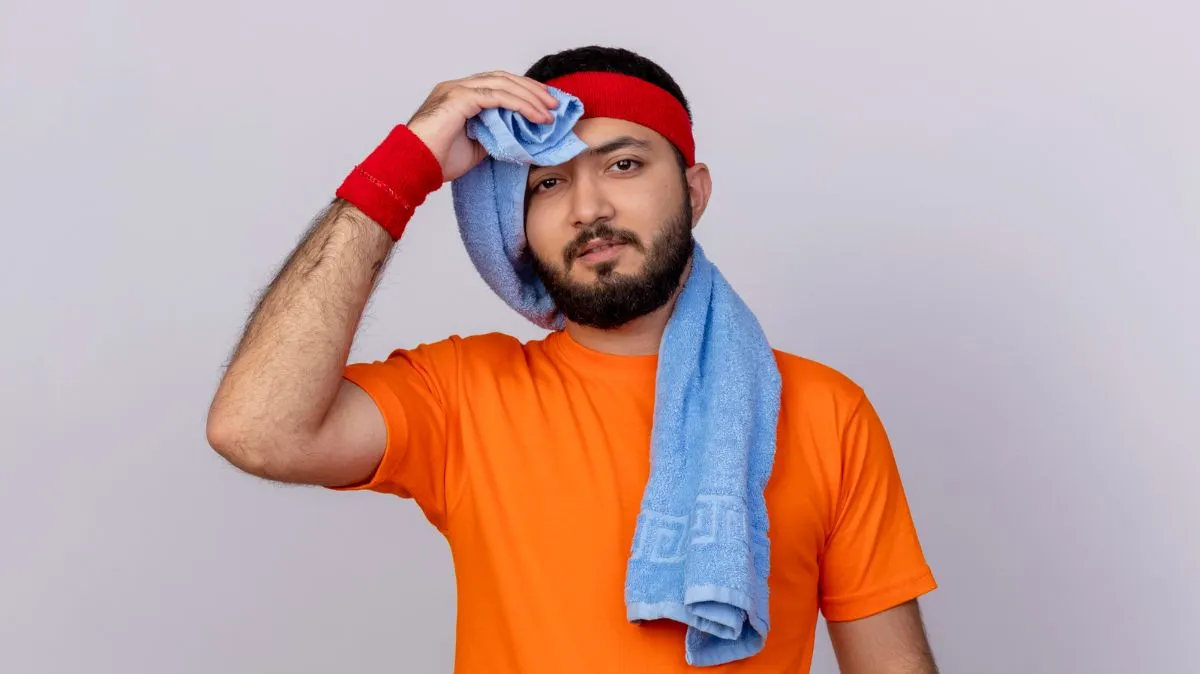
If your shirt still smells like sweat after a normal wash, don't immediately throw it in the dryer.
Instead, follow this process:
Step 1: Check the fabric
Read the care label and identify whether the garment is cotton, polyester, nylon, a blend, or another material.
Step 2: Turn it inside out
This exposes the areas where sweat and body oils typically accumulate.
Step 3: Pretreat the odor
Use an appropriate enzyme-based laundry pretreatment or another fabric-safe treatment.
Step 4: Wash correctly
Use the appropriate detergent and the temperature recommended on the care label.
Step 5: Check before drying
Smell the garment while it is still damp.
If the sweat odor remains, repeat the treatment and washing process rather than immediately drying it.
Step 6: Dry completely
Once the odor is gone, dry the garment according to its care instructions.
If the same odor keeps returning across multiple loads, inspect your washing machine and laundry routine.
How to Get Sweat Smell Out of Polyester Clothes
Polyester workout clothing can be particularly frustrating because synthetic fabrics can retain odor-related compounds and body oils.
For polyester activewear:
Turn the garment inside out.
Pretreat the underarms and other affected areas.
Use an appropriate odor-fighting or enzyme-based detergent.
Avoid excessive detergent.
Be cautious with fabric softener.
Follow the garment's recommended wash temperature.
Check for odor before drying.
Repeat treatment if necessary.
Avoid automatically using harsh chemicals or high temperatures. The garment's care label should always be your first reference.
How to Prevent Sweat Smell From Coming Back
Removing existing odor is only half the solution. Your laundry habits can determine whether the smell returns.
Follow these habits:
Wash sweaty clothes promptly.
Don't leave wet workout clothes inside a gym bag.
Air out damp clothing if you can't wash it immediately.
Turn clothes inside out before washing.
Use the correct amount of detergent.
Don't overload the washer.
Follow fabric-specific washing instructions.
Avoid unnecessary fabric-softener buildup.
Remove laundry from the washer promptly.
Make sure clothes are completely dry before storing.
Clean your washing machine regularly.
These simple habits can reduce the amount of sweat, body oil, and residue that remains trapped in clothing.
Common Mistakes When Removing Sweat Smell From Clothes
Some laundry habits can make persistent odor problems worse.
Using too much detergent
More detergent doesn't necessarily mean cleaner clothes. Excess product can leave residue behind.
Washing an overloaded load
Clothes need room to move through the wash cycle. An overloaded washer may not clean garments as effectively.
Leaving sweaty clothes in a closed hamper
Damp clothing should have an opportunity to dry before being stored with other dirty laundry.
Using fabric softener on every load
Some performance fabrics can be affected by fabric-softener buildup.
Drying clothes before checking the odor
If the garment still smells, wash or treat it again before drying.
Ignoring the washing machine
If multiple loads smell bad, check the machine rather than repeatedly treating individual garments.
Mixing cleaning products
Never mix chlorine bleach with vinegar or other incompatible cleaning chemicals.
When Should You Consider Professional Laundry Service?
Some sweat odors can be difficult to manage when you have a large amount of laundry, limited access to laundry equipment, or clothing that requires repeated treatment.
Professional laundry service can be useful for:
Large amounts of everyday clothing
Workout clothes
Sports uniforms
Towels
Bedding
Work uniforms
Families with heavy weekly laundry loads
Busy students and professionals
Instead of spending your free time washing, treating, drying, and folding multiple loads, a professional laundry service can handle the routine laundry work for you.
Professional Wash and Fold Laundry Service in Charleston, SC

If you're in Charleston, SC, and don't have enough time to keep up with laundry, College Laundry provides professional wash-and-fold laundry services designed to make everyday laundry more convenient.
With professional laundry service, you can spend less time dealing with repeated loads of washing, drying, and folding and more time on work, school, family, or other priorities.
Learn more about College Laundry's wash-and-fold laundry service to see how professional laundry care can simplify your routine.
Frequently Asked Questions
How do you get sweat smell out of clothes?
Turn the garment inside out, pretreat the areas affected by sweat, wash with an appropriate detergent at the temperature recommended on the care label, and check the odor before drying. For stubborn odors, repeat the treatment and wash if necessary.
Why do my clothes still smell like sweat after washing?
Persistent sweat odor can result from body-oil buildup, synthetic fabric, deodorant residue, excessive detergent, fabric-softener buildup, an overloaded washer, or an odor-producing washing machine.
How do you get sweat smell out of polyester clothes?
Turn polyester clothing inside out, pretreat the smelly areas, use an appropriate detergent, avoid excessive fabric softener, follow the garment's care label, and make sure the odor is gone before drying.
Does baking soda remove sweat smell from clothes?
Baking soda can help with odors on suitable washable fabrics. It can be used as a separate pretreatment or laundry aid, but always follow the garment's care instructions.
Does vinegar remove sweat odor from clothes?
A diluted distilled white vinegar soak may help remove some persistent laundry odors. Use vinegar separately from baking soda and never mix it with chlorine bleach.
Should you dry clothes that still smell like sweat?
It's better to treat and wash the garment again rather than immediately drying it when a noticeable sweat odor remains. Once the odor is gone, dry the clothing according to the care label.
Why do workout clothes smell even after washing?
Workout clothes are often made from synthetic fabrics that can retain body oils and odor compounds. Detergent residue, fabric softener, improper washing, and delayed drying can also contribute to recurring odor.
How can I stop clothes from smelling sweaty?
Wash sweaty clothes promptly, air them out if immediate washing isn't possible, turn them inside out, use the correct amount of detergent, avoid overloading the washer, follow fabric-care instructions, and dry clothing completely.
Final Takeaway
The best way to get sweat smell out of clothes is to remove the odor-causing buildup rather than simply covering it with fragrance.
Start by washing sweaty clothes promptly and turning them inside out. For stubborn odors, pretreat the affected areas with a fabric-safe odor treatment, use the correct detergent, follow the garment's recommended wash temperature, and avoid drying clothes until you know the odor has been removed.
If sweat smell continues returning after repeated washes, check your detergent habits, fabric-softener use, washing-machine cleanliness, and the type of fabric involved.
And if you simply don't have the time to keep up with your laundry, professional wash-and-fold laundry service in Charleston, SC can take the repetitive work off your schedule.