Make your Clothes Last Longer: Avoid These Laundry Mistakes
You buy a great shirt, wash it a few times, and suddenly it looks faded, feels rough, or no longer fits the way it used to. Sound familiar? You are not alone. Most Americans replace clothing far sooner than necessary, not because it wears out from daily use, but because of how it is washed.
The truth is, your washing machine, your dryer, and even your detergent can do more damage to your clothes than wearing them ever will. The habits causing this damage are so routine that most people never think to question them.
In this guide, we break down the ten most common laundry mistakes that silently destroy your clothes, and we tell you exactly what to do instead. Whether you do your own laundry at home or use a professional service, these tips will help you get significantly more life out of everything in your wardrobe.
Most clothing damage does not happen from wearing. It happens in the wash. Overwashing, hot water, too much detergent, and overloading the machine are the top four causes of premature fabric breakdown in American households. Fixing these habits alone can double the lifespan of your wardrobe.
Why Clothing Longevity Matters More Than Ever?
Americans spend an average of $1,700 per year on clothing. Yet the average garment is worn only seven to ten times before being discarded. That is both a financial cost and an environmental one.
Here is what proper laundry care can do for you:
Save money by extending the life of what you already own
Protect your investment in quality clothing
Reduce textile waste. The United States sends over 11 million tons of clothing to landfills every year
Keep your clothes looking sharp and professional for longer
The good news is that none of this requires expensive products or complicated routines. It requires knowing which habits to change.
Habit 1: Washing Your Clothes Too Often
This is the single biggest mistake American households make. We have been conditioned to throw clothes in the wash after every single wear, but most garments do not need it that often. Every wash cycle puts mechanical stress on fabric fibers, causes color fading, and wears down the structure of the garment over time.
Which Clothes Need Washing After Every Wear?
Underwear and socks, always
Workout clothes and activewear, because sweat and bacteria build up quickly
Anything worn close to the skin during physical activity or in high heat
What Can Go Longer Between Washes?
T-shirts and tank tops: every one to two times
Jeans and denim: every four to five wears, or more
Dress pants and trousers: every three to four wears
Sweaters and knitwear: every two to three wears
Blazers and jackets: every five to seven wears, or when visibly soiled
Pajamas: every two to four wears
Bed sheets: every one to two weeks
Between washes, air out your clothes on a hanger, use a clothes brush to remove surface dirt, and spot treat small stains instead of washing the entire garment.
Habit 2: Washing at Too High a Temperature
Hot water is one of the leading causes of fabric shrinkage, color fading, and fiber breakdown in the United States. Many Americans default to warm or hot water settings, assuming that hotter means cleaner. This is a common myth.
Modern detergents are specifically designed to work in cold water. Unless you are washing heavily soiled items or need to sanitize bedding for medical reasons, cold water is almost always the better choice for your clothes.
What Hot Water Does to Your Clothes?
Permanently shrinks cotton, wool, and other natural fiber garments
Causes colors to fade and dyes to bleed
Weakens elastic and synthetic fibers over time
Breaks down fabric coatings on performance and activewear
The Cold Water Rule
For eighty to ninety percent of everyday laundry, cold water cleans just as effectively as warm water, uses less energy, and is far gentler on fabric. Reserve warm or hot water for the following situations:
White cotton items that need brightening
Heavily soiled work clothes or sports uniforms
Bedding or towels from a household dealing with illness
Habit 3: Using Too Much Detergent
More detergent does not mean cleaner clothes. Excess detergent builds up inside fabric fibers, traps dirt, attracts bacteria, and makes clothes feel stiff and look dull over time. It also leaves a film inside your washing machine drum that promotes mold and mildew growth.
Signs You Are Using Too Much Detergent
Clothes feel stiff or rough after washing
There is a soapy or musty smell even after a full wash cycle
Colors look faded or grayish over time
There is visible residue or film inside your washing machine drum
How Much Detergent Do You Actually Need?
Front-load HE machines: one to two tablespoons of liquid detergent per load
Top-load standard machines: two to three tablespoons for a regular load
Pods and packs: one pod for a standard load, two only for very large or heavily soiled loads
Most detergent manufacturers recommend more product than you actually need. A simple rule is to start with half the recommended amount and adjust only if clothes are not coming out clean.
Note for US households: If you live in a hard water area, which includes many parts of the Southern United States, you may need slightly more detergent to compensate for mineral interference with cleaning performance.
Habit 4: Overloading the Washing Machine
Cramming extra items into a full machine to save time is one of the most common causes of fabric pilling, incomplete rinsing, and premature clothing damage. When a machine is overpacked, clothes cannot move freely through the water. Some areas never get clean, while others are rubbed aggressively against neighboring items, causing pilling, snags, and color transfer.
How to Know When a Machine Is Too Full?
Your washing machine drum should be filled no more than three-quarters of the way
Clothes should tumble freely through the water, not sit packed solid
Bulky items like comforters, jeans, and towels need extra room to rinse properly
Running a slightly less full load takes more time but significantly extends the life of your clothing. Think of it as an investment in your wardrobe.
Habit 5: Ignoring Care Labels
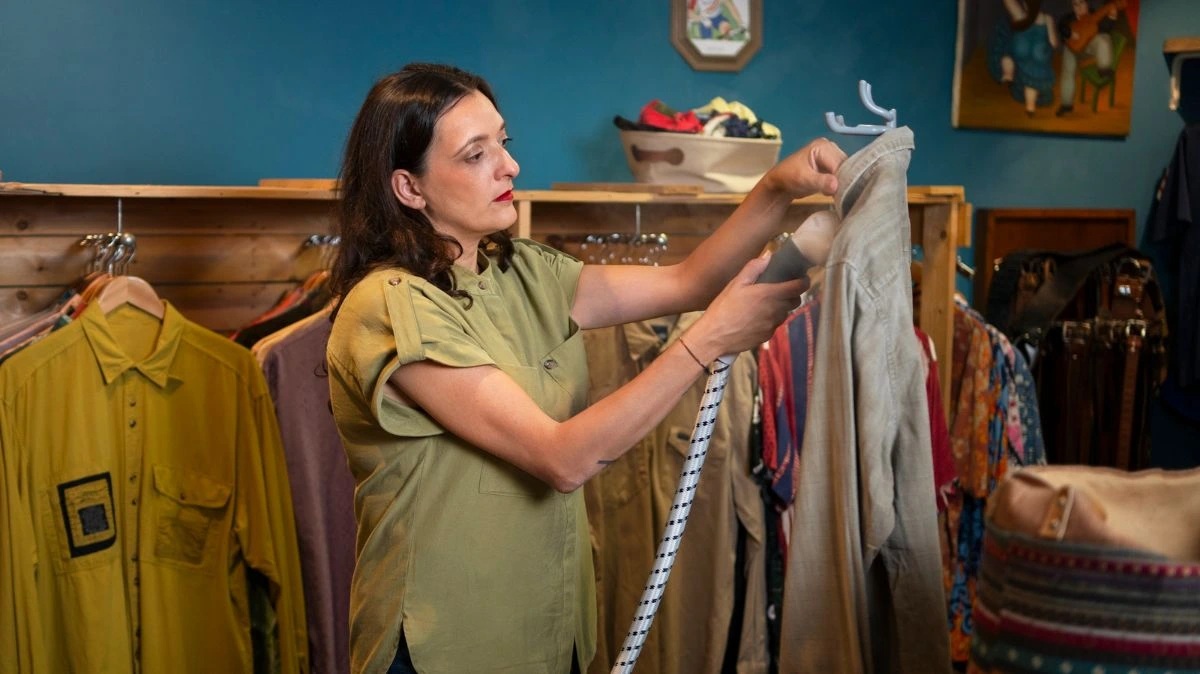
Every garment sold in the United States is required by law to include a care label with washing instructions. These labels are the manufacturer's precise recommendation for how to care for that specific fabric. Yet most Americans never read them.
Ignoring care labels is one of the fastest ways to damage clothing permanently. Washing a dry-clean-only wool blazer in your home machine, for example, can cause irreversible shrinkage and distortion in a single cycle.
The Most Ignored Care Instructions in the US
Dry Clean Only: the fabric reacts badly to water agitation and will shrink or distort
Lay Flat to Dry: Hanging the garment wet will cause gravity to stretch it permanently
Wash Cold: the fabric will shrink or bleed color in warm or hot water
Gentle or Delicate Cycle: the fabric is fragile and will pill or snag in a standard cycle
Do Not Tumble Dry: heat or mechanical tumbling will cause shrinkage or fiber damage
Take thirty seconds to read the label before washing any new garment. It will save you money and frustration in the long run.
Habit 6: Leaving Wet Clothes in the Machine
Forgetting a load in the washer is something most people do regularly. However, wet clothes left sitting in a machine for more than thirty minutes begin to develop mildew. That musty smell that results is very difficult to remove fully, and the mildew itself weakens fabric fibers with each repeated exposure.
The fix is simple: set a timer when you start a wash cycle. If you do forget and clothes come out smelling musty, rewash immediately and add one cup of white vinegar to the rinse cycle to neutralize the odor.
Habit 7: Over-Drying in a Hot Dryer
The dryer causes more irreversible clothing damage than almost any other factor in the laundry process. High heat breaks down elastic, shrinks natural fibers, weakens seams, and causes fabric pilling. That layer of lint you clean from the dryer filter after every load is not just dust. It is tiny fragments of fabric fiber shed from your clothes during tumbling.
Better Dryer Habits for Longer-Lasting Clothes
Use low or medium heat for most garments. High heat is rarely necessary for everyday clothing.
Remove clothes while they are still slightly damp and allow them to finish air-drying on a hanger.
Never over-dry. Clothes that come out bone dry and stiff have been in the dryer too long.
Denim, workout wear, delicates, and anything containing elastic should air-dry whenever possible.
Use wool dryer balls instead of dryer sheets. They reduce drying time, eliminate static, and do not leave chemical residue on fabric.
Habit 8: Not Separating Laundry Properly
Most people know to separate dark clothes from light ones. But proper laundry sorting goes beyond color. Washing heavy denim with lightweight cotton t-shirts, for example, causes the heavier fabric to abrade the lighter one during the wash cycle, which accelerates pilling and wear on the lighter garments.
The Three-Pile Sorting Method
Lights and whites: whites, creams, and pastels washed together in cold or warm water
Darks and brights: navy, black, deep red, and forest green always washed in cold water to prevent bleeding and fading
Delicates and linens: silk, lace, fine knitwear, and dress shirts washed on a gentle cycle in cold water, ideally inside a mesh laundry bag
Sorting by fabric weight within these groups whenever possible will give your clothes even more protection.
Habit 9: Using Fabric Softener on the Wrong Items
Fabric softener works by coating fabric fibers with a thin lubricating film, which makes clothes feel softer. But that same coating is damaging for certain fabric types and functional items. Many Americans use fabric softener on every load without realizing they are reducing the performance and lifespan of specific garments.
Items You Should Never Use Fabric Softener On
Activewear and moisture-wicking fabrics: softener clogs the pores that allow moisture to move away from the skin
Towels and bath linens: softener builds up over time and significantly reduces absorbency
Microfiber cloths: can permanently damage the microscopic fibers that give them their cleaning ability.
Athletic socks: affect grip, cushioning, and overall performance
Children's sleepwear with flame-retardant treatments: softeners can reduce the effectiveness of fire-resistant finishes
Habit 10: Washing Delicates in a Regular Machine Cycle
Silk, cashmere, fine wool, and lace are not designed to withstand the mechanical agitation of a standard washing machine cycle. Even a gentle machine cycle can stretch, pill, or permanently distort these fabrics. Hand washing or professional cleaning is the right approach for delicate items.
How to Hand-Wash Delicates at Home?
Fill a clean basin or sink with cool water.
Add a small amount of a gentle, pH-neutral detergent formulated for delicates.
Submerge the garment and gently move it through the water with your hands. Do not scrub or wring.
Rinse thoroughly with cool water until all soap has been removed.
Press water out gently by squeezing the fabric. Never twist or wring.
Lay the garment flat on a clean, dry towel, roll the towel up to absorb excess moisture, then reshape the garment and allow it to air-dry flat on a fresh towel or drying rack.
Quick Reference: The 10 Laundry Habits to Change

1. Washing too often: Air out between wears, spot treat stains instead of washing the whole garment.
2. Using hot water: Switch to cold water for 80 to 90 percent of your laundry.
3. Too much detergent: Use half the recommended amount and increase only if needed.
4. Overloading the machine: Fill the drum no more than three-quarters full.
5. Ignoring care labels: Read and follow every care label before washing a new garment.
6. Leaving wet clothes in the machine: Remove clothes within 30 minutes of the cycle finishing.
7. Over-drying on high heat: Use low heat and remove clothes while still slightly damp.
8. Not sorting properly: Sort by both color and fabric weight.
9. Fabric softener misuse: Never use softener on towels, activewear, or microfiber items.
10. Rough-cycling delicates: Hand wash or use a mesh bag on the delicate cycle for fine fabrics.
When to Use a Professional Laundry Service?
Some garments and situations benefit from professional care. Knowing when to hand things over is part of making your clothes last longer, not a sign that you cannot manage your own laundry.
Items Best Handled by a Professional
Dry-clean-only garments such as silk blazers, structured wool coats, and tailored suits
Heavily stained items where professional pre-treatment and stain expertise can save a garment that home washing would ruin
Bulky bedding, including duvets, comforters, and mattress toppers, that cannot tumble freely in a home machine.
Linen tablecloths and napkins that benefit from professional pressing and folding
Fine knitwear, including cashmere sweaters and merino wool pieces
Any item with significant sentimental or monetary value, including wedding dresses, vintage pieces, and designer garments
At College Laundry in Charleston, SC, we handle every garment with the care and precision that professional laundering requires. Our wash-and-fold service uses cold-water cleaning, correctly measured detergent, and appropriate cycles for each fabric type. We offer free pickup and delivery across Charleston, Mount Pleasant, Hanahan, and Goose Creek, with next-day turnaround available seven days a week.
Frequently Asked Questions
How many times should you wear jeans before washing them?
Most denim care experts recommend washing jeans every four to five wears under normal conditions. If you are doing outdoor or physical work, or if they are visibly soiled, wash them sooner. Denim holds its shape and color much better when washed infrequently in cold water and turned inside out.
Does cold water actually clean clothes as well as hot water?
Yes. Modern enzyme-based detergents are formulated to activate and clean effectively in cold water. Cold water is sufficient for the vast majority of everyday laundry. The difference in cleaning performance only becomes significant when dealing with heavily soiled items or when sanitization is required for health reasons.
Is tumble drying bad for all clothing?
Tumble drying is fine for most cotton and polyester items when used on a low or medium heat setting. However, it is damaging to natural fibers like wool, silk, and linen, to anything containing elastic, and to activewear with performance coatings. When in doubt, air-drying is always the safer and gentler option.
What is the best way to wash silk and cashmere at home?
Hand washing in cool water with a small amount of gentle, pH-neutral detergent is the safest method. If using a machine, place the item in a mesh laundry bag, select the delicate cycle, use cold water, and set the spin speed to the lowest option. Always lay silk and cashmere flat to dry. Never hang them wet, as the fabric will stretch under its own weight.
How do I stop dark clothes from fading?
Always wash dark garments inside out in cold water. Avoid over-washing them. Most dark clothes can go three to four wears between washes. Use a detergent formulated for dark colors, skip the dryer when possible, and store dark items away from direct sunlight. Adding half a cup of white vinegar to the rinse cycle can help set dyes and slow fading over time.
Can a professional laundry service help extend the life of my clothes?
Yes. Professional laundry services use precise water temperature controls, correct detergent measurements, appropriate wash cycles for different fabric types, and proper drying methods. This eliminates the most common causes of clothing damage that occur in home washing. For delicate, high-value, or frequently used items, professional care is one of the best investments you can make in your wardrobe.
Conclusion
Making your clothes last longer does not require buying expensive products or overhauling your entire routine. It requires being more intentional about the habits you already have.
Wash less often. Use cold water. Do not overload the machine. Read the care labels. Dry on low heat. Remove clothes promptly after washing. These are simple changes, but their cumulative effect on the condition of your wardrobe and the money you spend replacing it is significant.
If you have items that deserve better care than a busy schedule allows, College Laundry is here to help. We serve households, students, and businesses across Charleston, SC with premium wash-and-fold, linen, bulk cleaning, and commercial laundry services. Schedule your first pickup at collegelaundry.co and get $10 off your first order.