Why Do Clothes Smell After Washing? Causes, Fixes & Prevention Tips
Have you ever taken freshly washed clothes out of the washing machine only to notice they still smell musty, sour, or damp? It can be frustrating, especially when you've just spent time and money washing them. If this happens regularly, you're not alone. Many people experience this issue without realizing that the problem isn't always the detergent or the clothes themselves.
In most cases, unpleasant odors after washing are caused by bacteria, mold, detergent buildup, washing machine maintenance issues, or improper drying habits. Understanding the root cause can help you eliminate the smell for good and keep your clothes fresh after every wash.
Whether you're doing laundry at home or using a professional wash-and-fold service, following the right laundry practices can make a significant difference. In this guide, we'll explain why clothes smell after washing, how to fix the issue, and what you can do to prevent it from happening again.
If laundry smells bad after washing, you're probably dealing with bacteria, trapped moisture, or detergent buildup. Many people also ask, "Why do clothes smell damp after washing?" Even when clothes look clean, small amounts of moisture left in the fabric can create unpleasant odors if they are not dried properly.
Why Do Clothes Smell After Washing?
A washing machine is designed to remove dirt, sweat, and bacteria, but several factors can prevent it from cleaning clothes effectively. When moisture, bacteria, and detergent residue combine, they create the perfect environment for unpleasant odors.
Below are the most common reasons your clothes may still smell after washing.
1. Bacteria and Mold Growth
One of the biggest reasons clothes develop a bad smell is the growth of bacteria and mold. Sweat, body oils, and dirt become trapped in fabric fibers. If these contaminants aren't completely removed during the wash cycle, bacteria continue to multiply.
When damp clothes sit for too long before drying, mold spores can also develop, causing a musty smell that's difficult to remove.
Signs of bacterial buildup include:
Clothes smell clean at first but become musty after a few hours.
Workout clothes develop persistent odors.
Towels smell sour shortly after drying.
The smell becomes stronger when clothes get damp.
Many people notice that clothes smell sour after washing when bacteria remain trapped inside the fabric. This is especially common with towels, gym clothes, and synthetic fabrics that hold more moisture.
Synthetic fabrics like polyester tend to trap bacteria more than natural fibers, making athletic wear especially prone to odor.
2. Leaving Wet Clothes in the Washer Too Long
Many people forget their laundry inside the washing machine for several hours after the cycle ends. This creates a warm, humid environment where bacteria and mildew thrive.
Even leaving clothes in the washer for a few hours can cause unpleasant smells that remain after drying.
To prevent this:
Remove clothes immediately after the cycle finishes.
Dry them as soon as possible.
If you forget your laundry overnight, wash it again before drying.
Prompt drying is one of the easiest ways to keep laundry smelling fresh.
3. Too Much Detergent
It may seem logical that using extra detergent will make clothes cleaner, but the opposite often happens.
Excess detergent doesn't always rinse away completely. Instead, it leaves a sticky residue on fabrics that traps dirt, sweat, bacteria, and body oils.
This buildup creates unpleasant odors over time and can even make white clothes appear dull.
Use the detergent amount recommended by the manufacturer rather than filling the cap every time.
4. Dirty Washing Machine
Your washing machine also needs regular cleaning.
Over time, detergent residue, fabric softener, lint, mineral deposits, and moisture accumulate inside the drum, rubber door seal, detergent drawer, and drain filter.
This buildup becomes a breeding ground for mold and bacteria, which transfer unpleasant odors back onto your clothes.
A strong washing machine odor is often a sign that mold, mildew, or detergent residue has built up inside the drum or rubber seal. Cleaning your washing machine regularly helps stop these odors from transferring back onto your clothes.
Common signs your washer needs cleaning include:
A musty smell inside the drum.
Black spots around the rubber gasket.
Dirty detergent dispenser.
Standing water after wash cycles.
Cleaning your washer monthly helps maintain both machine performance and laundry freshness.
5. Overloading the Washing Machine
Stuffing too many clothes into one load prevents water and detergent from circulating properly.
When clothes can't move freely, they don't receive enough agitation to remove dirt and bacteria effectively.
As a result:
Clothes don't rinse properly.
Sweat remains trapped.
Detergent residue builds up.
Odors stay locked into the fabric.
Instead, leave enough space in the drum so clothes can tumble freely during the wash cycle.
6. Washing with Cold Water When Hot Water Is Needed
Cold water works well for many everyday fabrics, but heavily soiled items sometimes require warmer temperatures.
Items that often benefit from warm or hot water include:
Towels
Bedsheets
Kitchen towels
Gym clothes
Socks
Cleaning cloths
Always follow the care label, but using the appropriate water temperature helps eliminate bacteria more effectively than cold water alone.
7. Damp Drying Conditions
Even after washing properly, clothes can develop odors if they aren't dried completely.
Slow drying allows bacteria and mildew to continue growing inside damp fabric.
This commonly happens when:
Clothes are left in piles.
Dryers are overloaded.
Laundry is dried indoors without ventilation.
Humid weather slows the drying process.
Make sure clothes are completely dry before folding or storing them.
8. Fabric Softener Buildup
Fabric softener can make clothes feel softer, but excessive use leaves behind a waxy coating.
This coating traps sweat, bacteria, and detergent residue inside the fibers, making odors harder to remove over time.
Occasionally skipping fabric softener and using the recommended amount can help keep clothes cleaner.
How to Remove Odor from Clothes?
If your clothes already smell unpleasant, don't worry. Most odors can be removed with proper washing techniques.
Wash Clothes Again Using the Correct Settings
Choose the right cycle for the fabric type and avoid overloading the washer. Use the recommended amount of detergent and ensure clothes have enough room to move freely.
Deep Clean Your Washing Machine
Run an empty cleaning cycle using a washing machine cleaner or a hot-water maintenance cycle recommended by the manufacturer. Pay special attention to cleaning the rubber gasket, detergent drawer, and filter, where mold and residue often collect.
Dry Clothes Immediately
Once the wash cycle is complete, transfer clothes to the dryer or hang them in a well-ventilated area. Avoid leaving damp laundry sitting in baskets or inside the washer.
Wash High-Odor Items Separately
Gym clothes, towels, socks, and heavily soiled garments often contain more bacteria than everyday clothing. Washing them separately helps achieve better cleaning results and prevents odors from transferring to other items.
When Professional Laundry Services Are the Better Choice?

Sometimes persistent odors remain despite multiple wash cycles. This often happens with heavily used towels, bedding, sports uniforms, workwear, or large household items that require specialized cleaning.
Professional laundry services use commercial-grade equipment, optimized wash cycles, and proper drying techniques to remove stubborn odors while protecting fabric quality. They also ensure items are thoroughly cleaned and completely dried before packaging, reducing the chance of mildew or lingering smells.
For busy students, families, and professionals in Charleston, using a reliable wash-and-fold laundry service can save time while helping keep clothes consistently fresh and clean.
Laundry Odor Removal Tips
If your clothes continue to smell after washing, a few simple habits can make a big difference.
Clean your washing machine regularly
Use the right amount of detergent
avoid overloading the washer,
And dry clothes completely.
These laundry odor removal tips can help keep your clothes smelling clean after every wash.
How to Prevent Clothes from Smelling After Washing?
The best way to deal with unpleasant laundry odors is to prevent them before they start. A few simple habits can make a big difference in keeping your clothes fresh after every wash.
Following these fresh-smelling laundry tips every time you wash your clothes can help prevent bacteria, mold, and moisture from causing unpleasant odors. Small changes in your laundry routine often make a big difference.
Clean Your Washing Machine Regularly
Your washing machine works hard to clean your clothes, but it also collects detergent residue, lint, dirt, and moisture. If it isn't cleaned regularly, bacteria and mold can build up inside the drum and transfer odors back onto your laundry.
To keep your washer in good condition:
Clean the drum at least once a month.
Wipe the rubber door seal after each wash.
Rinse the detergent drawer regularly.
Clean the drain filter according to the manufacturer's recommendations.
Leave the washer door open after each load so the interior can dry.
A clean washing machine produces cleaner, fresher-smelling clothes.
Use the Right Amount of Detergent
Many people believe more detergent equals cleaner clothes, but that's a common misconception.
Using too much detergent leaves residue behind, while using too little may not remove dirt and oils effectively.
Always:
Measure detergent carefully.
Follow the instructions on the detergent label.
Adjust the amount based on load size and soil level.
Balanced detergent usage helps clothes rinse clean without leaving behind odor-causing buildup.
Don't Overload the Washer
A packed washing machine cannot clean clothes properly.
When garments are tightly packed together:
Water cannot circulate effectively.
Detergent cannot reach every fabric.
Dirt and bacteria remain trapped.
Clothes don't rinse completely.
Instead of washing one oversized load, divide laundry into smaller loads for better cleaning results.
Dry Clothes Completely
Moisture is one of the biggest causes of unpleasant laundry odors.
Whether you're using a dryer or air drying, make sure every item is completely dry before folding or storing it.
Pay extra attention to thicker fabrics like:
Towels
Hoodies
Blankets
Jeans
Sweatshirts
Even slight dampness can encourage mildew growth.
Avoid Leaving Damp Laundry in a Basket
Freshly washed clothes should never remain in a laundry basket while they're still damp.
Doing so traps heat and moisture, allowing bacteria to multiply quickly.
Instead:
Hang clothes immediately.
Dry them promptly.
Fold only after they're completely dry.
Separate Heavily Soiled Clothing
Workout clothes, work uniforms, towels, and kitchen cloths often carry more sweat, grease, and bacteria than everyday clothing.
Washing these items separately helps prevent odors from transferring to lighter garments while allowing you to choose a wash cycle that's better suited for heavily soiled fabrics.
Store Clothes Properly
Even perfectly clean laundry can develop odors if stored incorrectly.
Keep clothes in a:
Clean closet
Dry environment
Well-ventilated wardrobe
Avoid placing freshly washed clothes into damp storage areas.
Common Laundry Mistakes That Cause Bad Odors
Many odor problems come from everyday habits people don't realize they're doing.
Some of the most common mistakes include:
Using excessive detergent.
Ignoring washing machine maintenance.
Leaving wet clothes inside the washer.
Overloading each wash cycle.
Drying clothes in poorly ventilated spaces.
Folding clothes before they're completely dry.
Wash heavily soiled items with lightly worn clothing.
Correcting these small mistakes can significantly improve the freshness of your laundry.
Clothes That Are Most Likely to Develop Odors
Some fabrics naturally trap bacteria and moisture more than others.
Items that commonly develop lingering smells include:
Gym clothes
Sports uniforms
Towels
Socks
Bedsheets
Pillowcases
Kitchen towels
Work uniforms
Polyester clothing
Activewear
These items often require more frequent washing and thorough drying.
When Professional Laundry Services Can Help
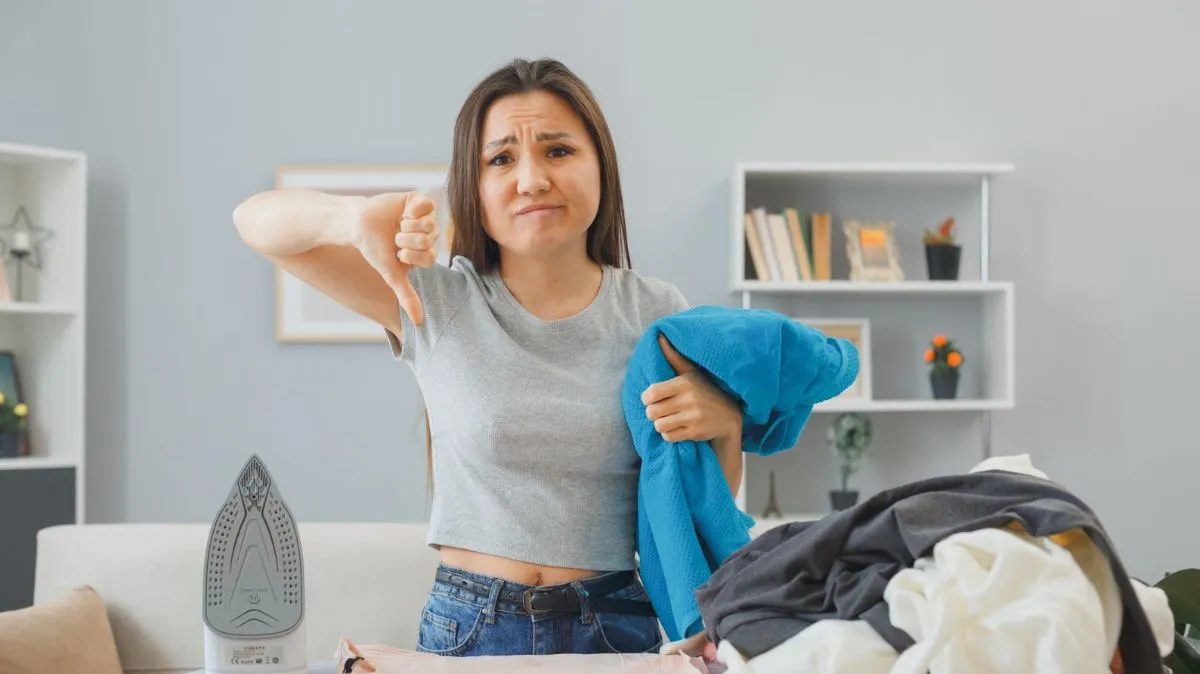
Life gets busy, and keeping up with laundry isn't always easy. If you're dealing with persistent odors, large loads, or bulky household items, professional laundry services can save both time and effort.
A professional wash-and-fold service offers several benefits:
Commercial-grade washing equipment
Proper detergent measurement
Effective stain and odor removal
Thorough rinsing
Complete drying before packaging
Consistent fabric care
For residents, students, and businesses in Charleston, professional laundry services can help keep clothing, linens, and household fabrics clean, fresh, and ready to use without the hassle of doing everything at home.
Frequently Asked Questions
Why do my clothes smell bad even after washing?
The most common causes are bacteria, mold, detergent residue, an unclean washing machine, or leaving clothes damp for too long before drying.
Can too much detergent make clothes smell?
Yes. Excess detergent can leave residue on fabrics, trapping dirt, body oils, and bacteria that eventually create unpleasant odors.
Why do towels smell sour after washing?
Towels absorb large amounts of moisture. If they aren't washed thoroughly or dried completely, bacteria and mildew can develop, causing a sour smell.
How often should I clean my washing machine?
Cleaning your washing machine at least once a month helps prevent mold, detergent buildup, and unpleasant odors from transferring to your clothes.
Does cold water cause clothes to smell?
Cold water works well for many fabrics, but heavily soiled items such as towels, gym clothes, and bedding may require warm water to remove bacteria more effectively.
Why do gym clothes keep smelling after washing?
Synthetic athletic fabrics trap sweat and bacteria more easily than natural fibers. Washing them promptly and drying them thoroughly helps prevent lingering odors.
Is a professional laundry service better for removing odors?
Professional laundry services use commercial equipment and optimized wash cycles that can effectively remove stubborn odors from clothing, towels, linens, and other washable fabrics.
Why do clothes smell damp after washing?
If you're wondering why clothes smell damp after washing, the most common reasons are leaving wet clothes in the washer too long, incomplete drying, bacteria, mold, or a dirty washing machine. Washing clothes correctly and drying them completely usually solves the problem.
Final Thoughts
If your clothes smell bad after washing, the problem usually isn't the clothing itself. In most cases, bacteria, detergent residue, moisture, poor drying habits, or an unclean washing machine are responsible.
Fortunately, these issues are easy to fix with proper laundry techniques, regular washer maintenance, and careful drying practices. Making a few small changes to your laundry routine can keep your clothes smelling fresh, feeling clean, and lasting longer.
If you're looking for a more convenient solution, a professional wash-and-fold laundry service can provide consistently clean, fresh-smelling laundry while saving you valuable time. Whether you're a busy student, a working professional, or a family managing weekly laundry, expert laundry care makes staying on top of your routine much easier.