How to Prevent Clothes From Shrinking in the Wash
Few laundry problems are more frustrating than pulling a favorite shirt, sweater, pair of jeans, or workout outfit from the washer or dryer and discovering that it no longer fits the way it did before.
The good news is that most avoidable clothing shrinkage can be reduced by controlling heat, agitation, washing cycles, and drying methods. The key is not simply washing everything in cold water. Different fabrics respond differently to moisture, heat, friction, and tumbling, so your laundry routine should match the garment.
This guide explains how to prevent clothes from shrinking in the wash, which fabrics need extra care, whether the washer or dryer causes more shrinkage, and what to do if an item has already become smaller.
Quick Answer: How Do You Prevent Clothes From Shrinking?
To reduce the risk of shrinkage:
Check the garment's care label before washing.
Use cold water when the label permits it.
Choose a gentle or appropriate wash cycle for delicate fabrics.
Avoid excessive agitation and overloading the washer.
Use low heat or no heat when machine drying.
Air dry or lay delicate garments flat when the care label recommends it.
Remove clothes from the dryer promptly when they are dry.
Pay particular attention to cotton, wool, linen, rayon, and other shrink-prone fabrics.
Never assume every garment can be washed and dried the same way.
When in doubt, follow the manufacturer's care instructions rather than relying on a general laundry rule.
Care labels are especially important in the United States because manufacturers and importers covered by the FTC's Care Labeling Rule must provide appropriate regular-care instructions and warnings for covered apparel.
Why Do Clothes Shrink?
Clothes can shrink because of a combination of heat, moisture, agitation, tension released from the fabric, and drying conditions.
Different fibers and fabric constructions behave differently. Natural fibers such as cotton, wool, and linen generally require more attention than many synthetic fabrics.
Heat
High temperatures can increase the risk of shrinkage, particularly when a garment is not designed to tolerate hot washing or high-heat drying.
The dryer can be especially important because clothing is exposed to heat while it is also tumbling repeatedly.
Agitation
The mechanical movement inside a washing machine can affect fabric structure.
A heavy-duty cycle with vigorous movement may be inappropriate for delicate garments. Gentle or delicate cycles use slower agitation and reduced time, which can be better suited to sensitive items.
Moisture and Fiber Relaxation
Water allows many fibers to swell and relax. During subsequent drying, the fabric can settle into a different configuration.
This is one reason a garment may come out noticeably different after laundering even when the washing temperature does not seem extremely high.
Overdrying
A garment does not necessarily need to be exposed to extremely high heat to experience damage.
Repeated or prolonged drying can contribute to fabric wear and dimensional changes. Using the correct drying setting and removing garments promptly can help reduce unnecessary exposure.
Does the Washer or Dryer Shrink Clothes More?
Both can contribute to shrinkage, but the dryer is often a major source of preventable shrinkage because it combines heat with continuous tumbling.
Hot washing can contribute to shrinkage, particularly for sensitive fabrics. However, putting a vulnerable garment through a high-heat dryer can make the problem worse.
A safer routine for many everyday garments is:
Cold wash → appropriate cycle → low/no heat drying or air drying
However, this should never override a garment's care label.
If the label says dry flat, for example, placing the garment in a tumble dryer simply because the wash cycle was cold is still the wrong approach.
9 Ways to Prevent Clothes From Shrinking
1. Always Read the Care Label First
The care label is the best starting point because it provides instructions intended specifically for that garment.
Look for information about:
Machine washing
Hand washing
Water temperature
Bleaching
Tumble drying
Drying temperature
Line drying
Drip drying
Drying flat
Ironing
Dry cleaning
Warnings such as "Do not tumble dry"
U.S. care label rules require covered apparel to provide regular-care information, including appropriate washing or dry-cleaning instructions.
Don't treat the label as a suggestion. If a garment says "dry flat," "wash cold," or "do not tumble dry," follow those instructions.
2. Wash Clothes in Cold Water When Appropriate
Cold water is one of the simplest ways to reduce unnecessary heat exposure during laundry.
For many everyday garments, cold-water washing can help reduce the risk of shrinkage while also helping preserve colors.
Cold water can be particularly useful for:
T-shirts
Everyday tops
Dark clothing
Many cotton garments
Athletic clothing
Casual wear
Delicate items when permitted by the label
But don't assume cold water is automatically appropriate for every garment. The care label should take priority.
3. Choose the Right Wash Cycle
Water temperature is only part of the equation.
A delicate garment can still be damaged by excessive agitation even when washed in cold water.
For garments that require gentle handling, consider the cycle specified by the care label. Depending on the garment, that may mean:
Delicate cycle
Gentle cycle
Hand washing
A lower-agitation program
The FTC's care-label glossary defines a delicate or gentle cycle as one involving slower agitation and reduced time.
4. Don't Overload Your Washing Machine
Overloading can prevent clothing from moving freely through the wash.
It can also interfere with cleaning and increase tangling and friction between garments.
Instead of stuffing everything into one load:
Leave adequate space in the drum.
Separate heavy items from delicate garments.
Wash bulky towels separately when appropriate.
Create smaller loads for specialty fabrics.
College Laundry has previously highlighted overloading as a common laundry mistake because crowded machines can compromise cleaning and increase clothing stress.
5. Use Low Heat When Machine Drying
If the care label allows tumble drying, choose the appropriate temperature rather than automatically selecting the hottest setting.
Low heat or no-heat drying can be a better choice for garments that are vulnerable to heat-related damage.
The FTC distinguishes drying instructions such as tumble dry, low, medium, high, and no heat, so pay attention to the exact instruction rather than treating all dryer settings as equivalent.
6. Air Dry When the Care Label Recommends It
Air drying removes dryer heat and tumbling from the equation.
Depending on the garment, this may mean:
Line drying
Hanging to dry
Drip drying
Drying flat
For sweaters and other garments that can lose their shape, drying flat may be preferable to hanging, because the weight of wet fabric can distort the garment.
Always follow the specific drying instructions on the label.
7. Avoid Overdrying
One of the easiest mistakes to make is leaving clothing in the dryer long after it has become dry.
Overdrying exposes fabrics to unnecessary heat and mechanical movement.
Instead:
Select the correct drying temperature.
Use a suitable cycle length.
Check clothing before extending the drying cycle.
Remove garments promptly when dry.
This can also help reduce unnecessary wrinkles.
8. Separate Shrink-Prone Fabrics
Not every garment belongs in the same load.
If you combine a delicate wool sweater with heavy towels and run a high-agitation cycle, you're exposing the sweater to conditions that may not be appropriate for it.
Create separate loads when needed for:
Wool
Cashmere
Delicate knits
Rayon
Linen
Lightweight garments
Specialty athletic fabrics
Fabric type matters because different fibers and constructions respond differently to laundering.
9. Turn Delicate Garments Inside Out When Appropriate
Turning some garments inside out can reduce direct surface abrasion and help protect the visible side of the fabric.
This is particularly useful for certain:
Printed shirts
Dark garments
Graphic tees
Delicate fabrics
However, it is a protective technique, not a replacement for following the care label.
Which Fabrics Shrink the Most?
Understanding your clothing's fabric content can help you decide how carefully it should be washed and dried.
Fabric | Shrinkage Risk | General Care Consideration |
Cotton | Moderate to high | Cold wash and controlled drying can help |
Wool | High | Follow label carefully; gentle handling is important |
Linen | Moderate | Avoid unnecessary heat and aggressive cycles |
Rayon/viscose | Can be high | Follow label closely; may be sensitive to moisture and heat |
Cashmere | High | Usually requires very gentle care |
Denim | Variable | Follow label; excessive heat can affect fit |
Polyester | Generally lower | Still avoid unnecessary high heat |
Nylon | Generally lower | Use the recommended temperature and drying method |
Blends | Variable | Care depends on the fiber combination |
Important: Fabric names alone do not determine exactly how a garment will behave. Construction, finishing, previous washing, and the manufacturer's instructions can also affect shrinkage.
How to Wash Cotton Clothes Without Shrinking Them
Cotton is one of the most common fabrics in American wardrobes, especially in T-shirts, sweatshirts, underwear, towels, and casual clothing.
To reduce shrinkage:
Check the care label.
Use cold water when permitted.
Avoid unnecessarily aggressive cycles.
Don't overload the washer.
Use low heat when tumble drying is allowed.
Air dry when recommended.
Avoid repeatedly overdrying the garment.
Some cotton garments are pre-shrunk, but that does not mean they are completely immune to dimensional changes.
How to Prevent Wool Clothes From Shrinking
Wool needs more careful treatment than many everyday fabrics.
Heat, moisture, agitation, and improper drying can cause wool garments to lose their original size or shape.
Before washing wool:
Read the care label.
Determine whether it is machine washable.
Use the specified cycle.
Avoid high heat.
Avoid vigorous agitation.
Follow the recommended drying method.
If the label says hand wash or dry clean, don't assume a standard washing-machine cycle is safe.
For valuable wool, cashmere, vintage, or specialty garments, professional garment care may be the safer option.
How to Prevent Linen Clothes From Shrinking
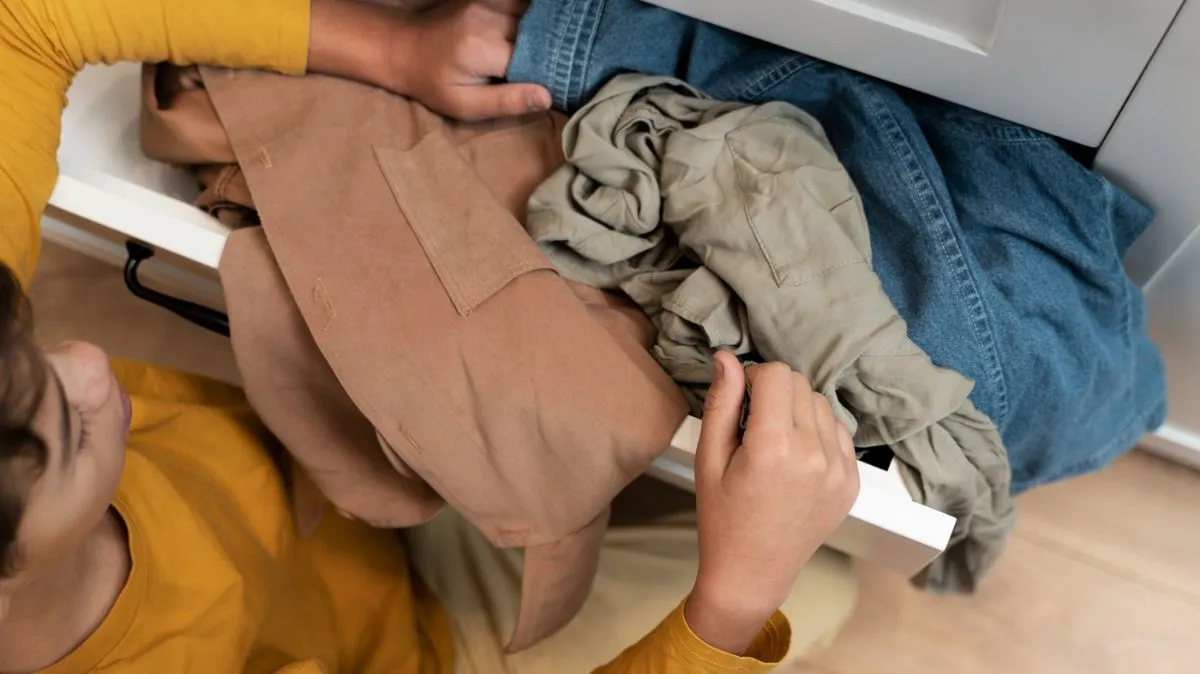
Linen can be sensitive to heat and laundering conditions.
To help maintain its size and shape:
Follow the care label.
Use the recommended water temperature.
Avoid excessive agitation.
Don't overdry.
Use the recommended drying method.
Linen may also wrinkle easily, so removing it promptly after drying can make finishing easier.
What About Rayon and Viscose?
Rayon and viscose garments can require more careful handling than their appearance suggests.
Because these materials can be sensitive to moisture and heat, don't automatically treat them like ordinary cotton T-shirts.
Check whether the garment requires:
Cold washing
Gentle washing
Hand washing
Air drying
Dry cleaning
When the label provides specific instructions, those instructions should take priority over general laundry advice.
Common Laundry Mistakes That Cause Shrinkage
Even people who have done laundry for years can accidentally expose clothes to unnecessary heat or agitation.
Washing Everything in Hot Water
Hot water isn't automatically better for every load. Use the temperature specified by the garment.
Drying Everything on High Heat
A high dryer setting may be convenient, but it isn't appropriate for every fabric.
Ignoring the Care Label
This is one of the easiest ways to shrink or damage clothing accidentally.
Overloading the Machine
A crowded washer can create poor cleaning and unnecessary friction.
Washing Delicates With Heavy Items
Towels, jeans, and heavy garments can create a rougher environment than delicate items need.
Leaving Clothes in the Dryer for Too Long
Extended drying can expose clothing to unnecessary heat and tumbling.
Assuming "Cold Wash" Means "Any Dryer Setting"
This is an important distinction.
A garment can tolerate cold-water washing but still require air drying, low heat, or drying flat.
Can You Unshrink Clothes?
Sometimes a mildly shrunken garment can be reshaped, but there is no guaranteed way to restore every shrunken garment to its original dimensions.
Some online methods recommend soaking clothing in lukewarm water with hair conditioner and stretching it afterward. These techniques may work for certain fabrics, but results vary-and aggressive stretching can damage the garment.
If an item is valuable, delicate, sentimental, or made from a specialty fabric, professional advice may be safer than experimenting at home.
The best strategy is prevention.
What to Do If Your Clothes Shrink in the Wash
If you discover that a garment has shrunk:
Step 1: Stop Using Heat
Don't put the garment back into a hot dryer.
Step 2: Check the Care Label
Determine whether the garment has specific washing or drying instructions that may have been missed.
Step 3: Identify the Fabric
Check the fiber content. Cotton, wool, linen, rayon, and blends may respond differently.
Step 4: Consider Professional Care
For expensive or delicate garments, a professional laundry or dry-cleaning service can help determine the safest next step.
Step 5: Don't Force the Fabric
Aggressively stretching a wet garment can distort seams, collars, sleeves, and other parts of its construction.
A Simple Pre-Wash Checklist
Before starting your next load, ask:
□ Did I check the care labels?
□ Did I separate delicate items?
□ Am I using the correct water temperature?
□ Is the wash cycle appropriate for the fabric?
□ Is the machine overloaded?
□ Did I choose the correct drying method?
□ Am I avoiding unnecessary high heat?
□ Should any items be air-dried or dried flat?
This 30-second check can prevent many common laundry mistakes.
When Professional Laundry Care Makes Sense
Some laundry is easy to manage at home. Other garments require more attention.
Professional care may be worth considering for:
Fine knitwear
Cashmere
Specialty fabrics
Dry-clean-only garments
Valuable clothing
Delicate garments
Large household laundry loads
Clothes that require consistent fabric-specific handling
For busy households, students, and professionals, outsourcing everyday laundry can also eliminate the time spent sorting, washing, drying, and folding.
College Laundry's wash-and-fold service in Charleston handles washing, drying, and folding while using gentle washing procedures designed to help protect garments.
If you regularly find yourself worried about shrinking clothes or don't have time to manage multiple laundry loads, professional wash-and-fold service can be a convenient alternative.
Laundry Tips for Charleston, SC Residents

Charleston's warm, humid climate can make laundry management particularly inconvenient, especially when clothes need to dry properly.
For local households and students, good laundry habits include:
Don't leave wet clothing sitting in the washer.
Make sure garments are completely dry before storing them.
Avoid overcrowding dryers.
Follow fabric-specific drying instructions.
Give delicate clothing adequate space when drying.
Don't store clothing while it is still damp.
For students and busy residents who don't want to spend part of their week managing laundry, College Laundry provides wash-and-fold and pickup-and-delivery services in Charleston.
Frequently Asked Questions
What is the best way to prevent clothes from shrinking?
The best approach is to follow the garment's care label, use the recommended water temperature and wash cycle, avoid unnecessary agitation, and use the correct drying method. For many garments, cold washing and low-heat or air drying can reduce the risk of shrinkage.
Does cold water prevent clothes from shrinking?
Cold water can reduce heat exposure and may help minimize shrinkage for many garments. However, cold water does not guarantee that an item will never shrink. Always follow the garment's care instructions.
Do clothes shrink more in the washer or dryer?
Both washing and drying can contribute to shrinkage. Hot water and aggressive washing can affect some fabrics, while high dryer heat combined with tumbling can be especially damaging to shrink-prone garments.
What dryer setting prevents clothes from shrinking?
If tumble drying is allowed, use the temperature specified on the care label. Low heat or no-heat drying may be appropriate for some garments. For other items, the correct method may be line drying, drip drying, or drying flat.
What fabrics are most likely to shrink?
Natural and regenerated fibers such as cotton, wool, linen, and some rayon or viscose garments can be more susceptible to dimensional changes. The actual risk depends on the specific garment, construction, finishing, and care instructions.
Can you fix clothes that have already shrunk?
Some garments can potentially be reshaped after mild shrinkage, but results are not guaranteed. If the garment is valuable or delicate, consider professional garment care instead of attempting aggressive stretching.
Should I wash all clothes in cold water?
No. Cold water is a useful general option for many everyday garments, but you should always follow the care label. Different fabrics and garments may require different temperatures and cycles.
Final Takeaway
Learning how to prevent clothes from shrinking is less about memorizing one laundry setting and more about understanding what each garment needs.
The safest routine is simple:
Check the label → choose the right water temperature → use the appropriate cycle → avoid overloading → control dryer heat → air dry when recommended.
A few extra seconds before starting a load can help protect your clothes, preserve their fit, and extend the useful life of your wardrobe.
And when laundry becomes too time-consuming, or you have garments that need more careful handling, professional wash-and-fold laundry service in Charleston can take the work off your schedule while giving your clothes more consistent care.